
Find a Rockbridge County Property Owner
An address is the easiest starting point. Rockbridge County's Real Estate Tax Public Inquiry lets you pull the account. Save its parcel or map number. The name field works too. Enter a last name, with a first name optional. Enter it exactly as printed on the tax bill. A street-name search drops the house number. Expect several accounts when the road is long. Once the tax name appears, confirm it through the latest recorded deed. Check the grantee and the legal description against the parcel. This route identifies the owner of record, not who lives at the property. A recent closing may not show on the roll yet. When the grantee is an LLC or an estate, pull the entity or probate record for separate context.
- Find the candidate tax account from the address, owner name, account, or parcel number.
- Save the map number, legal description, and name shown with the account.
- Search the most recent deed in Virginia SRA/COVERS and compare its grantee and land description.
- Check the parcel's jurisdiction and use a state entity or probate record only when the grantee calls for it.
Rockbridge County Name Search
Name mode asks for a last name and an optional first name, spelled as on the bill. Account mode uses the number printed there. Parcel mode demands exact spacing. Small format differences can sink a search. These modes help separate people with similar names, though a name match alone never proves sole ownership. Save the description and map number with the name. The inquiry offers Select, Previous, Return to Search, Show Description, and Show Map Number. Selecting an account opens payment history and ticket detail. It is not a full assessment card, and the office supplies the exact owner, mailing, sales, and exemption fields. The Real Estate Tax Public Inquiry help page shows the name and account search choices.
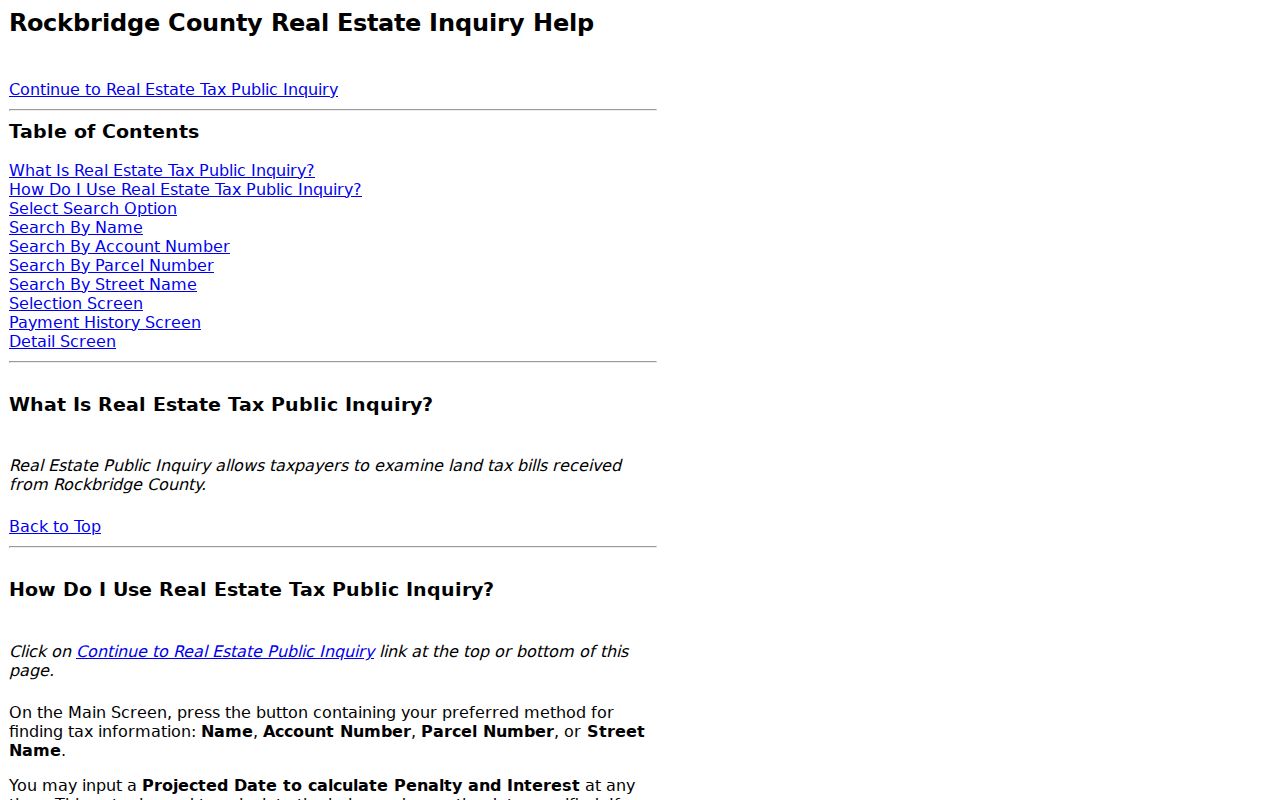
Find a candidate account, then confirm with the deed.
Confirm a Rockbridge County Deed Grantee
The deed is the confirmation step. Search the deed index under the grantee. Compare the legal description with the tax parcel. Then read the instrument for vesting language, co-owners, or a trust or company name. A deed recorded after the tax bill was printed can be more current than the roll. Virginia SRA/COVERS may offer a free index where enabled. Images can still require Clerk authorization, an agreement, and fees, and Rockbridge publishes no online cutoff date. The Rockbridge deed-records process explains the index and the copy route when an image is unavailable. A legal description beats a shared name as a match. Watch for correction deeds too. Estate conveyances, releases, and later transfers that reference the same land all matter.
Rockbridge County Situs and Mailing Names
Situs is the parcel's physical location. The mailing address is where tax notices go. It may point to an owner living elsewhere, an LLC, a trust, or a representative. Never treat a tax bill's address as a map location. Use contact addresses only for lawful, relevant communication. Before choosing the locality, compare the description and map number with the GIS map. Lexington and Buena Vista are independent cities. A postal city name may not match the county office that holds the account. The inquiry's Street Name mode can return several county parcels without a street number. It is not a citywide owner directory. For a boundary or address mismatch, ask the relevant locality instead of guessing from a ZIP code.
Rockbridge County LLC and Trust Owners
The grantee may be a company. Virginia's SCC Clerk's Information System is the official business-entity search. It supplies filing and registered-agent context. That context applies to a company name appearing in Rockbridge County property records. An agent address, however, is not necessarily the owner's residence or the parcel situs. Match the deed's entity name with the SCC filing. A trust may appear through a trustee. An estate may appear through a personal representative or heirs. Read the public record as written. Do not infer a sole owner from the name. The Virginia SCC CIS is the state source for filings tied to a company grantee.
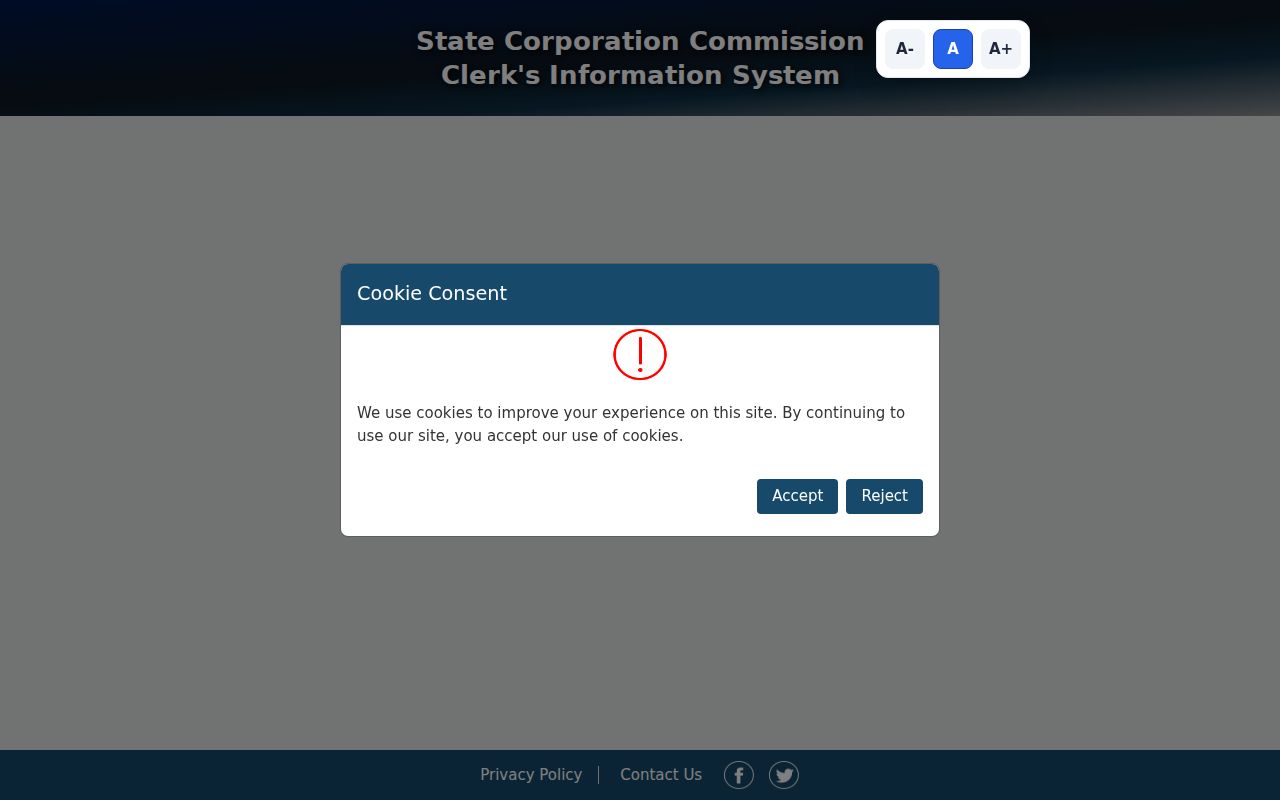
The filing names the entity; the deed confirms ownership.
Rockbridge County Estate Ownership
The tax roll sometimes names an estate or an heir. Then probate and land records belong together in one search. The Rockbridge County Clerk keeps estate proceedings dating to 1778. Wills, lists of heirs, and other court papers can explain how a parcel changed hands. A will may direct an inheritance. A later deed or court order often ties it to the parcel itself.
Certified vital records work differently. Virginia limits current birth, death, marriage, and divorce records to eligible immediate family with ID. Birth records open after 100 years. The others generally open after 25. Those rules protect sensitive files, and none replaces a recorded deed search.
Voter lists carry their own limits. Virginia election law restricts full access, and protected registrants may use substitute addresses. A voter entry is never a property-owner record. The Virginia Department of Elections sets out the rules. Its official FAQ explains the voter-file privacy and access limits in detail.
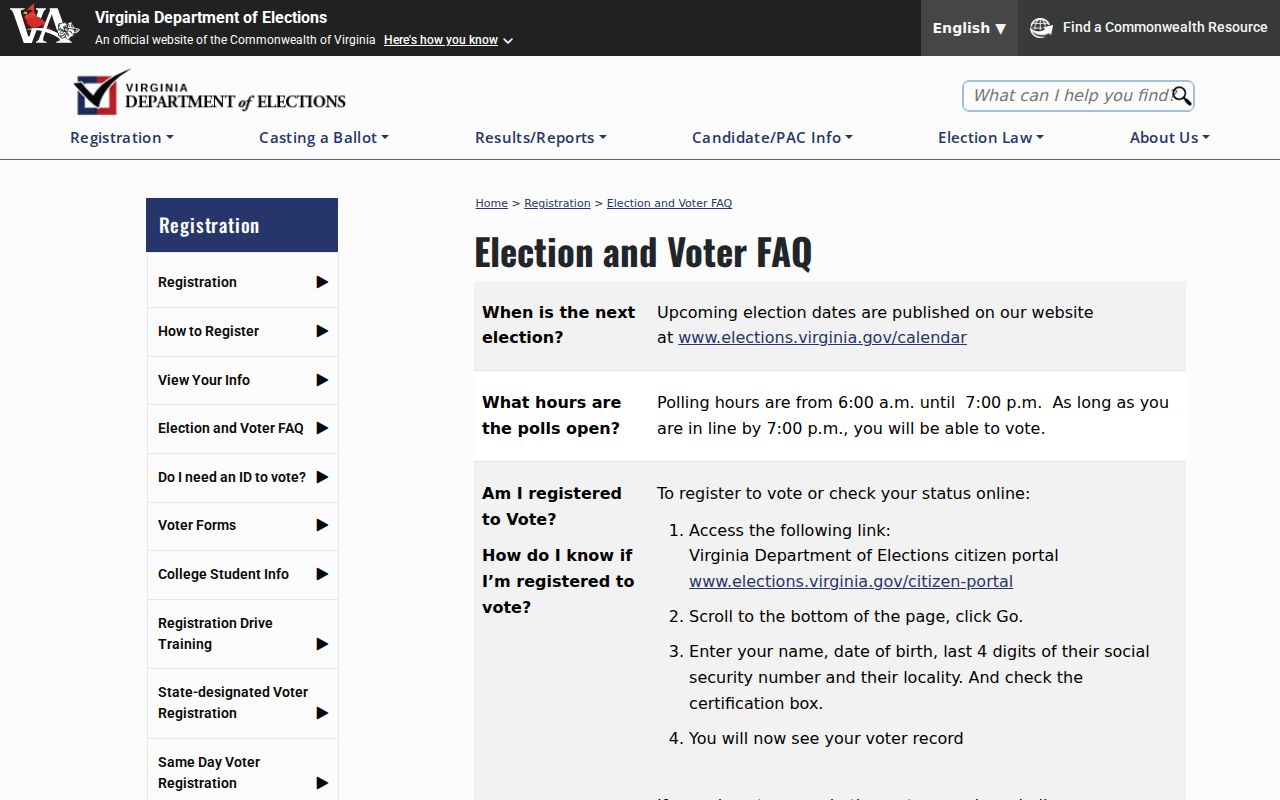
Even an official address source can be restricted or swapped for a substitute. For ownership, the land records decide.
Rockbridge County Jurisdiction Check
First confirm which locality keeps the tax and planning records. Lexington and Buena Vista are independent cities. The Rockbridge County courthouse sits in Lexington anyway. The county tax inquiry covers county accounts only. City assessment and planning records follow the city boundary instead. GIS can orient a property search. But the legal description and the right custodian confirm which record system governs the parcel.
ZIP codes mislead here. Codes like 24450 and 24416 describe mail delivery, not jurisdiction. Check the parcel boundary first. Then search the tax office that actually holds the account.
Rockbridge County Ownership Sources
Each office answers a different ownership question. The Rockbridge County assessor's tax inquiry serves as a bill and payment-history tool, not a verified owner card. The Circuit Court Clerk is the recorded-deed authority. Virginia SRA/COVERS offers the remote land-record route, though image coverage and cutoff years need confirming locally. GIS links a location to parcel geometry. Its map disclaimer means the owner field is not a title record.
| Source | Owner Info It Gives | Access |
|---|---|---|
| Tax inquiry | Account name, description, map number, and payment detail | Search by name, account, parcel, or street |
| Circuit Clerk / SRA | Recorded grantee and instrument description | Index online where enabled; images may need authorization |
| Virginia SCC CIS | Entity filings and registered-agent context for a business grantee | State public search; exact fields not captured |
| GIS | Parcel geography and jurisdiction context | Public map with reference-data disclaimer |
An owner of record is simply the name on a public assessment or recorded deed. It says nothing about occupancy. An estate, trust, co-owner, or company may hold the record. The tax bill's mailing address points elsewhere. For current details, see the Rockbridge County current-owner record route.
Limits of a Rockbridge County Owner Search
A name on a tax roll or deed proves little on its own. It does not show who lives on the land. It may not identify every heir. It may not reveal every lien, either. Virginia shields certain addresses through the Address Confidentiality Program and protected-voter rules. A public list may list a substitute mailing address rather than a residence. Never use a property record to defeat a confidentiality measure or target a person.
Lawful use. A Rockbridge County owner lookup supports property due diligence, civic research, and records correction. It is not a title search, and owner information must never be used to stalk, harass, intimidate, or harm anyone.
Two sources may show different names. Compare their dates and purposes before calling one a correction. The January 1 assessment roll can lag a transfer. A seller's name may linger after the sale closes. A deed, by contrast, reflects the grantee named in the recorded instrument. A tax account also uses whatever name billing selected. So it may omit others with a legal interest. The assessor publishes no fixed interval for refreshing the owner field after recording.
For a person-name search, the county Tax Inquiry asks for a last name. An optional first name refines it. A parcel or account number is the sharper cross-check. It helps most when a name is common. It also helps when the deed names an estate, trust, or business. Record the jurisdiction, map number, legal description, and source date beside each name. That habit separates a similarly named owner in Rockbridge County from one in the independent cities.